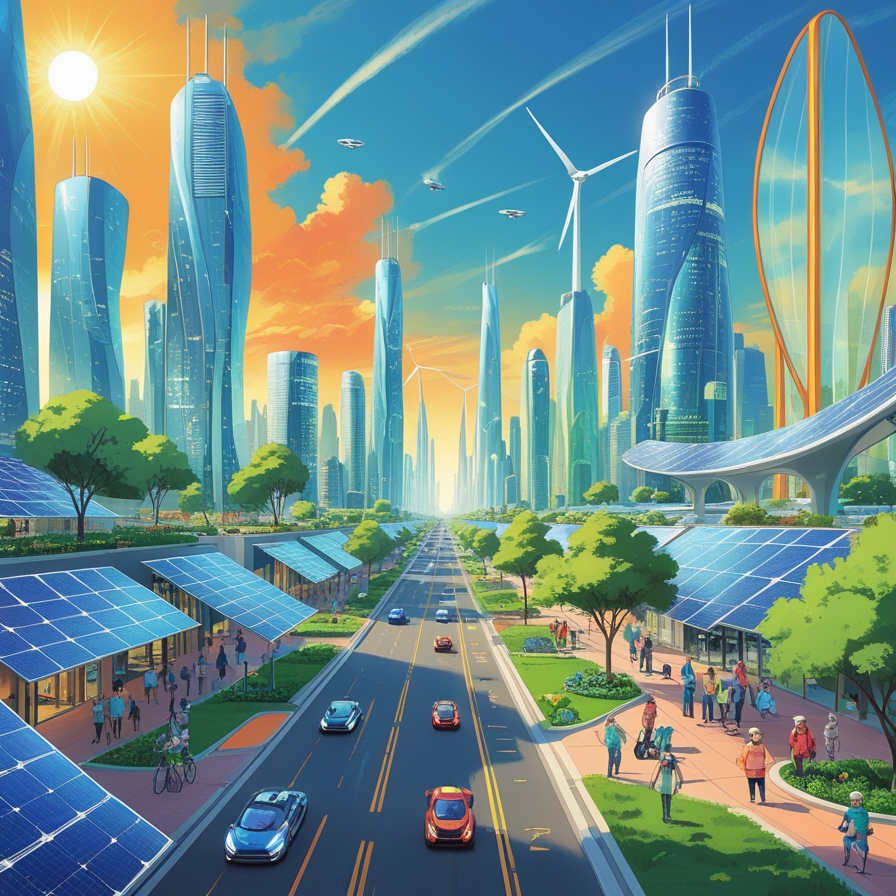
China Solar Energy: A Beacon of Sustainable Power
As the world grapples with the pressing need to transition to sustainable energy sources, China has emerged as a global leader in solar energy. The country’s commitment to solar power is not just a response to the growing demand for clean energy but also a strategic move to solidify its position as a dominant player in the global energy market. This content explores the various facets of China's solar energy sector, highlighting its growth, technological advancements, government policies, and the impact on both the domestic and international stages.
The Rise of Solar Energy in China
China's journey toward becoming the largest producer and consumer of solar energy began over a decade ago. In the early 2000s, China's energy landscape was dominated by coal, which accounted for a significant portion of the country's electricity generation. However, the environmental consequences of coal dependency, coupled with the global push for cleaner energy, prompted China to explore alternative energy sources. Solar energy emerged as a viable solution, given China’s abundant sunlight and vast land area suitable for solar farms.
The Chinese government recognized the potential of solar energy early on and implemented a series of policies and subsidies to encourage investment in the sector. This included financial incentives for solar panel manufacturers, subsidies for solar power generation, and mandates for renewable energy use. As a result, China quickly became the largest producer of solar panels in the world, with Chinese companies like JinkoSolar, Trina Solar, and LONGi leading the market.
Government Policies and Support
The Chinese government's role in the rapid expansion of solar energy cannot be overstated. Policies such as the Feed-in Tariff (FiT) scheme, which guaranteed above-market prices for solar power producers, provided the financial security needed to attract investment. Additionally, the government’s Renewable Energy Law, passed in 2005, laid the foundation for the integration of solar energy into the national grid.
China’s 13th Five-Year Plan, covering 2016 to 2020, further emphasized the importance of renewable energy, setting ambitious targets for solar power capacity. The plan aimed to increase China’s solar capacity to 110 GW by 2020, a goal that was not only met but exceeded. The subsequent 14th Five-Year Plan continues to prioritize solar energy, with the government aiming for even higher capacity targets and further integration of solar power into the national grid.
Technological Advancements and Innovation
China's dominance in solar energy is not just a result of government support but also significant advancements in solar technology. Chinese companies have been at the forefront of innovation in solar panel efficiency, production processes, and energy storage solutions. The development of bifacial solar panels, which capture sunlight from both sides, and the use of PERC (Passivated Emitter Rear Cell) technology, which enhances the efficiency of solar cells, are just a few examples of how China is pushing the boundaries of solar technology.
Furthermore, China has invested heavily in research and development to reduce the cost of solar power generation. The cost of solar panels has dropped dramatically over the past decade, making solar energy one of the most affordable sources of electricity. This cost reduction has been a key factor in the global adoption of solar energy, with Chinese-made solar panels being exported to countries around the world.
The Impact of Solar Energy on China’s Economy
The solar energy industry has had a profound impact on China’s economy, creating millions of jobs and contributing to economic growth. The solar manufacturing sector alone employs over 2.5 million people, making it one of the largest renewable energy job markets in the world. Additionally, the growth of solar energy has spurred the development of related industries, such as energy storage, electric vehicles, and smart grid technologies.
China’s dominance in solar energy has also given the country significant leverage in the global energy market. As the largest producer of solar panels, China is well-positioned to influence global energy policies and drive the adoption of renewable energy worldwide. This has also opened up new opportunities for Chinese companies in international markets, particularly in developing countries looking to transition to renewable energy.
Environmental and Social Implications
China's transition to solar energy has had far-reaching environmental and social implications. The shift away from coal has led to a significant reduction in greenhouse gas emissions, helping China to address its air pollution crisis and contribute to global efforts to combat climate change. The widespread adoption of solar energy has also improved energy access in rural and remote areas of China, providing electricity to millions of people who previously had limited or no access to power.
Moreover, China’s leadership in solar energy has positioned the country as a role model for other nations seeking to develop their renewable energy sectors. The success of China’s solar industry has demonstrated that large-scale adoption of renewable energy is not only possible but also economically viable, inspiring other countries to follow suit.
Challenges and Future Outlook
Despite its success, China's solar energy sector faces several challenges. The rapid expansion of solar capacity has put pressure on the national grid, leading to curtailment issues where excess solar power cannot be used or stored. Additionally, the reduction of government subsidies for solar power generation has created uncertainty for investors and solar power producers.
However, these challenges are not insurmountable. China is investing in grid infrastructure upgrades, energy storage solutions, and smart grid technologies to address curtailment issues and ensure the efficient integration of solar power into the grid. The government is also exploring new policy mechanisms, such as green certificates and carbon trading, to support the continued growth of the solar energy sector.
Looking to the future, China’s commitment to achieving carbon neutrality by 2060 will likely drive further investment in solar energy. The country’s leadership in solar technology, combined with its strong policy support and economic incentives, positions China to continue playing a pivotal role in the global energy transition. As solar energy becomes increasingly important in the global energy mix, China’s experience and expertise will be invaluable in shaping the future of renewable energy worldwide.
Conclusion
China's solar energy sector is a testament to the power of government support, technological innovation, and strategic investment. From its humble beginnings as a coal-dependent nation, China has transformed into a global leader in solar energy, driving the transition to a more sustainable and environmentally-friendly energy system. As the world continues to grapple with the challenges of climate change and energy security, China's experience offers valuable lessons for other countries looking to develop their renewable energy sectors and achieve a sustainable energy future.